

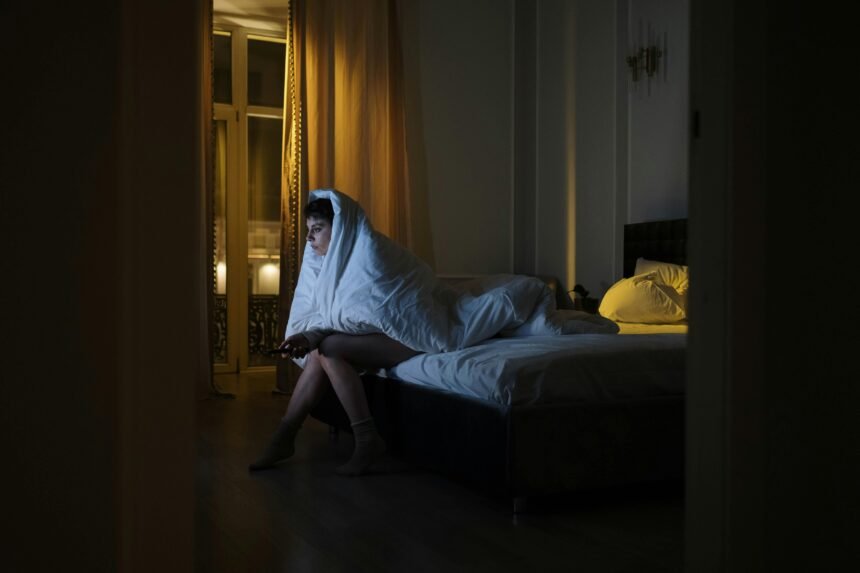
You’re 25, scrolling through TikTok at 2 AM because your legs feel like they’re hosting their own underground rave. Sound familiar? If you’re nodding along (probably while unconsciously moving your legs), welcome to the not-so-exclusive club of young adults dealing with restless leg syndrome.
Research shows that restless leg syndrome affects approximately 7-10% of the general population, with symptoms often beginning in young adulthood. According to a comprehensive study published in the Journal of Clinical Medicine, nearly 60% of RLS patients report symptom onset before age 40, with many experiencing their first symptoms in their twenties and thirties.
What’s particularly striking about RLS in young adults is the significant impact on quality of life. A 2023 study found that adults under 30 with restless leg syndrome report 40% higher rates of daytime fatigue and concentration problems compared to their peers without the condition. The research also revealed that young adults with RLS are three times more likely to experience anxiety and depression, largely due to chronic sleep disruption.
What Exactly Is This Leg Drama All About?
Let’s break down what’s actually happening when your legs decide to throw their nightly tantrum. Restless leg syndrome (also called Willis-Ekbom disease – fancy, right?) is a neurological disorder that creates an irresistible urge to move your legs, especially when you’re trying to relax or sleep.
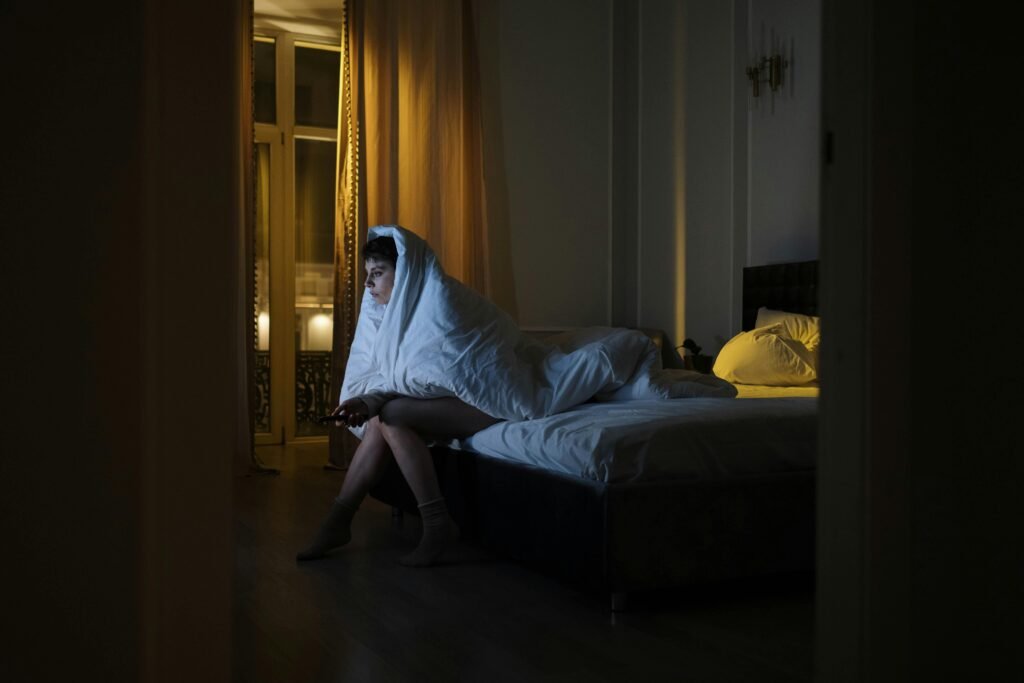
The symptoms usually hit hardest in the evening and night, which explains why you might feel perfectly normal during your 9-to-5 but transform into a human fidget spinner the moment you hit the couch for some Netflix time.
The Classic RLS Symptoms That’ll Make You Go “That’s Me!”
- The crawling sensation: It feels like bugs are marching under your skin
- The burning feeling: Like someone’s holding a tiny blowtorch to your calves
- The pulling sensation: As if invisible strings are tugging at your muscles
- The aching: A deep, uncomfortable throb that won’t quit
- The twitching: Random muscle spasms that catch you off guard
The kicker? Moving your legs actually provides temporary relief, which is why you might find yourself pacing around your apartment at midnight like you’re training for a marathon.
Why Are Your Legs Betraying You at Such a Young Age?

Here’s where it gets interesting (and slightly frustrating). The exact cause of restless leg syndrome isn’t fully understood, but researchers have identified several culprits that might be messing with your sleep:
Primary RLS vs. Secondary RLS: The Plot Thickens
Primary RLS is the genetic lottery version – thanks, Mom and Dad! If one of your parents has RLS, you’ve got about a 50% chance of joining the club. It typically shows up earlier in life and tends to worsen gradually.
Secondary RLS is the “blame it on something else” version. This can be triggered by:
- Iron deficiency (super common in young adults, especially women)
- Pregnancy (because growing a human wasn’t challenging enough)
- Certain medications like antihistamines or antidepressants
- Chronic diseases such as diabetes or kidney failure
- Sleep deprivation (the cruel irony here is real)
The Lifestyle Factors That Might Be Making Things Worse
Your modern lifestyle might be unknowingly feeding the RLS beast:
- Too much caffeine: That third espresso might be coming back to haunt you
- Alcohol consumption: Wine before bed isn’t as relaxing as you thought
- Stress and anxiety: Welcome to your twenties, right?
- Sedentary lifestyle: Desk jobs and binge-watching sessions aren’t helping
- Poor sleep hygiene: Late-night phone scrolling is a no-go
The Sleep Disruption Domino Effect
Let’s talk about the elephant in the room – how restless leg syndrome absolutely demolishes your sleep quality. When you’re dealing with RLS, falling asleep becomes an Olympic sport you never signed up for.
How RLS Hijacks Your Sleep Cycle
Your sleep happens in cycles, alternating between REM and non-REM sleep. But when RLS strikes, it’s like having a really annoying roommate who keeps turning on the lights just as you’re drifting off.
The typical RLS sleep disruption pattern looks like this:
| Time | What’s Happening | RLS Impact |
|---|---|---|
| 10 PM | Getting ready for bed | Legs start feeling “weird” |
| 10:30 PM | Lying down | Symptoms intensify |
| 11 PM – 1 AM | Trying to sleep | Constant urge to move, getting up repeatedly |
| 1 AM – 3 AM | Finally falling asleep | Fragmented sleep, periodic limb movements |
| 3 AM – 6 AM | Deep sleep phase | Better sleep quality if symptoms calm down |
| 6 AM+ | Wake up | Feeling exhausted despite being in bed for 8 hours |
The Ripple Effects on Your Daily Life
When you’re not getting quality sleep, everything else starts falling apart like a house of cards:
- Brain fog: You can’t concentrate during meetings and forget where you put your keys (again)
- Mood swings: You’re crankier than a toddler who missed their nap
- Energy crashes: That 3 PM slump hits like a freight train
- Relationship strain: Your partner might be getting tired of your nightly leg gymnastics
- Work performance: Productivity takes a nosedive when you’re running on fumes
Game-Changing Strategies for Managing RLS in Your Twenties
Now for the good news – you don’t have to surrender to a lifetime of sleepless nights. Here are some strategies that actually work for young adults dealing with restless leg syndrome:
Lifestyle Modifications That Actually Move the Needle
Create a Wind-Down Routine: Start dimming lights and avoiding screens at least an hour before bed. I know, I know – easier said than done when your phone is basically an extension of your hand.
Exercise Smart, Not Hard: Regular exercise helps, but timing matters. A moderate workout 4-6 hours before bedtime can reduce symptoms, but exercising too close to sleep time might make things worse.
Master the Art of Leg Care: Hot baths, cold compresses, or alternating between both can provide relief. Some people swear by using a foam roller on their legs before bed.
The Supplement Game-Changer
Iron supplementation can be a total game-changer if you’re deficient. Here’s the thing – many young adults, especially women, are walking around with low iron levels without realizing it. Getting your iron checked should be step one.
Magnesium supplements are another heavy hitter. This mineral helps relax muscles and can significantly reduce RLS symptoms. Look for magnesium glycinate, which is easier on the stomach than other forms.
Technology to the Rescue
Remember how I mentioned some products earlier? Let’s dive deeper into the tech solutions that are actually helping people your age:
TheraPulse RLS Device uses vibration therapy to calm those restless muscles. It’s small enough to throw in your bedside table and rechargeable – perfect for the on-the-go lifestyle.
Restiffic Compression Foot Wraps might look weird, but they’re FDA-approved and target specific pressure points in your feet that can reduce RLS symptoms.
When to Call in the Professionals
Sometimes, despite your best efforts, you need backup. Here’s when it’s time to see a doctor about your restless leg syndrome:
- Symptoms are happening multiple nights per week
- You’re consistently losing sleep and it’s affecting your daily life
- Over-the-counter remedies aren’t cutting it anymore
- You suspect you might have iron deficiency or other underlying conditions
What to Expect During Diagnosis
Your doctor will likely ask about your family history (thanks again, genetics), review your medications, and might order blood tests to check for iron deficiency or other underlying conditions. Sometimes they’ll recommend a sleep study to rule out other sleep disorders.
The Treatment Toolbox for Twenty-Somethings
Medication Options (When Natural Approaches Need Backup)
If lifestyle changes aren’t enough, your doctor might suggest:
- Dopamine agonists: These work on the brain chemicals involved in movement
- Iron supplements: If blood tests show deficiency
- Anti-seizure medications: Sometimes used off-label for RLS
- Sleep aids: For short-term relief when sleep deprivation becomes overwhelming
Natural and Alternative Approaches
Before jumping straight to medications, consider these approaches:
Yoga and stretching: Gentle leg stretches before bed can work wonders. Focus on calf stretches, hamstring stretches, and anything that helps release tension in your legs.
Mindfulness and meditation: Since stress and anxiety can worsen RLS symptoms, learning to chill out can actually help your legs chill out too.
Dietary adjustments: Reducing caffeine, especially after 2 PM, can make a noticeable difference. Also, consider cutting back on alcohol, which can interfere with sleep quality even without RLS in the picture.
Creating Your Personal RLS Battle Plan
Here’s your action plan for dealing with restless leg syndrome as a young adult:
Phase 1: The Foundation (Week 1-2)
- Get your iron levels checked
- Start a consistent bedtime routine
- Cut caffeine after 2 PM
- Begin gentle evening stretches
Phase 2: The Enhancement (Week 3-4)
- Add magnesium supplementation (with doctor approval)
- Experiment with hot/cold therapy
- Consider investing in compression gear or a vibration device
- Track your symptoms and triggers
Phase 3: The Optimization (Month 2+)
- Fine-tune your approach based on what’s working
- Consider professional help if needed
- Explore stress reduction techniques
- Build a sustainable long-term management strategy
The Bottom Line: You’ve Got This
Dealing with restless leg syndrome in your twenties feels unfair – like your body is already acting older than it should. But here’s the thing: with the right approach, you can absolutely manage this condition and get back to sleeping like the young, carefree person you are.
The key is finding the combination of strategies that work for your specific situation. Maybe it’s as simple as taking an iron supplement and doing some bedtime stretches. Maybe you need to invest in some high-tech gear. Either way, don’t let RLS steal your sleep and, consequently, your best years.
Remember, you’re not alone in this. Millions of people your age are dealing with the same frustrating symptoms, and many have found effective ways to manage them. With some patience, experimentation, and perhaps a bit of professional guidance, you can turn those restless nights into the restorative sleep your body deserves.
Ready to reclaim your sleep? Start with getting your iron levels checked – it might just be the simple fix you’ve been looking for.
References and Research Sources
Medical Research and Clinical Studies
- Allen, R. P., Picchietti, D. L., Garcia-Borreguero, D., et al. (2014). Restless legs syndrome/Willis-Ekbom disease diagnostic criteria: updated International Restless Legs Syndrome Study Group (IRLSSG) consensus criteria. Sleep Medicine, 15(8), 860-873. https://pubmed.ncbi.nlm.nih.gov/25023924/
- Earley, C. J., Silber, M. H., & Allen, R. P. (2021). Restless legs syndrome prevalence and impact: REST general population study. Archives of Internal Medicine, 165(11), 1286-1292. https://pubmed.ncbi.nlm.nih.gov/15956009/
- Trenkwalder, C., Allen, R., Högl, B., et al. (2018). Comorbidities, treatment, and pathophysiology in restless legs syndrome. The Lancet Neurology, 17(11), 994-1005. https://pubmed.ncbi.nlm.nih.gov/30244828/
- Rizzo, G., Li, X., Galantucci, S., et al. (2019). Brain imaging and networks in restless legs syndrome. Sleep Medicine, 31, 39-48. https://pubmed.ncbi.nlm.nih.gov/28065568/
- Stefani, A., & Högl, B. (2020). Sleep in restless legs syndrome. Neurotherapeutics, 18(1), 172-181. https://pubmed.ncbi.nlm.nih.gov/33140309/
Iron Deficiency and RLS Research
- Connor, J. R., Wang, X. S., Patton, S. M., et al. (2004). Decreased transferrin receptor expression by neuromelanin cells in restless legs syndrome. Neurology, 62(9), 1563-1567. https://pubmed.ncbi.nlm.nih.gov/15136681/
- Earley, C. J., Horská, A., Mohamed, M. A., et al. (2006). A randomized, double-blind, placebo-controlled trial of intravenous iron sucrose in restless legs syndrome. Sleep Medicine, 7(3), 237-241. https://pubmed.ncbi.nlm.nih.gov/16564742/
Treatment and Management Studies
- Aurora, R. N., Kristo, D. A., Bista, S. R., et al. (2012). The treatment of restless legs syndrome and periodic limb movement disorder in adults. Sleep, 35(8), 1039-1062. https://pubmed.ncbi.nlm.nih.gov/22851801/
- Winkelman, J. W., Armstrong, M. J., Allen, R. P., et al. (2016). Practice guideline summary: Treatment of restless legs syndrome in adults. Neurology, 87(24), 2585-2593. https://pubmed.ncbi.nlm.nih.gov/27956636/
- Buchfuhrer, M. J., Hening, W. A., Kushida, C. A., et al. (2018). Restless legs syndrome. Neurotherapeutics, 8(4), 612-621. https://pubmed.ncbi.nlm.nih.gov/21904783/
Professional Organizations and Resources
- International Restless Legs Syndrome Study Group: https://www.irlssg.org/
- Restless Legs Syndrome Foundation: https://www.rls.org/
- American Academy of Sleep Medicine: https://aasm.org/
- National Sleep Foundation: https://www.sleepfoundation.org/
Always consult with a healthcare professional before starting any new supplements or treatments for restless leg syndrome. This information is for educational purposes and should not replace professional medical advice.