



Picture this: you wake up and your smartwatch already knows you need an extra shot of magnesium based on last night’s sleep data. Your breakfast is tailored to your DNA, and your meditation app suggests a specific breathing technique based on your stress levels from yesterday’s meeting. Sound like science fiction? Welcome to 2025, where wellness isn’t just about green smoothies and yoga anymore.
I’ve been diving deep into the latest wellness landscape, and let me tell you – we’re living in the most exciting time for health optimization. The $2 trillion global wellness market is getting a serious millennial and Gen Z makeover, with McKinsey research showing that in the United States alone, wellness represents more than $500 billion in annual spend, growing at 4 to 5 percent each year. Even more impressive? The Global Wellness Institute projects the global wellness economy will hit $8.5 trillion in 2027, and Americans spend an average of $5,300 a year on wellness.
1. Functional Nutrition: When Your Food Becomes Your Medicine
Remember when “healthy food” just meant avoiding the bad stuff? Those days are long gone. Today’s wellness-savvy consumers are hunting for foods that actually do something for their bodies.
Functional nutrition one of the wellness trends – foods and beverages that deliver specific health benefits – is exploding, with McKinsey data showing about half of consumers in the US, UK, and Germany purchasing these products last year, and a whopping two-thirds of Gen Z and millennials jumping on board. The numbers are staggering: the global functional food market was valued at $337.85 billion in 2024 and is projected to reach $595.49 billion by 2033, growing at a CAGR of 6.5%.
What’s driving this explosive growth? We’re finally embracing food as preventative medicine. Research shows the global functional food and nutraceuticals market was valued at approximately $250 billion in 2023 and is estimated to expand at a 7.5% CAGR to reach nearly $414.76 billion by 2030. Instead of just cutting out gluten or sugar, people are actively seeking foods packed with high-value ingredients like:
• Nootropics for brain power • Adaptogens for stress management
• Prebiotics and probiotics for gut health • Protein-enhanced everything for muscle support
The coolest part? Innovation is going wild. We’re talking protein-packed potato chips and cognition-enhancing mocktails. The sweet spot isn’t just “better-for-you” versions of junk food – it’s products that blur the line between supplements and actual food.
Pro tip: Look for functional foods that taste amazing first. If it doesn’t pass the flavor test, all those health benefits won’t matter if you can’t stand eating it.
2. Beauty Meets Wellness: Your Glow-Up Gets Scientific
Here’s where things get really interesting. The lines between looking good and feeling good are completely disappearing in 2025.
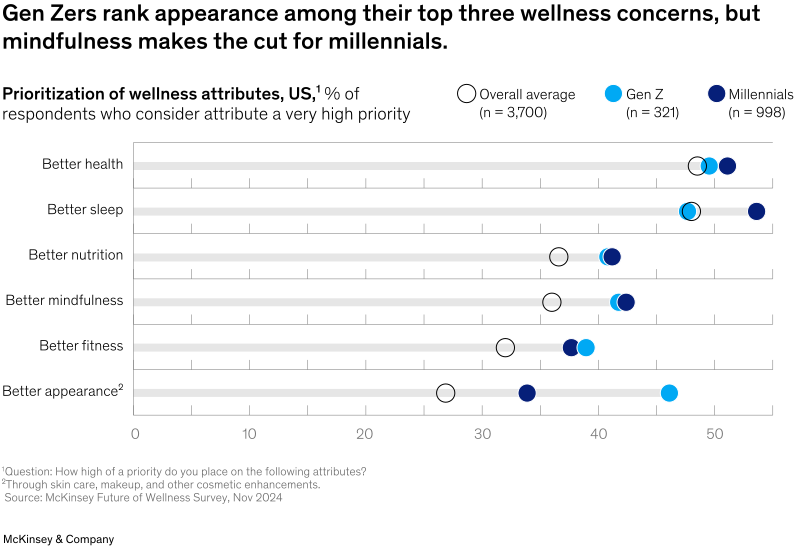
Gen Z is driving this trend hard – according to McKinsey research, “better appearance” jumped from sixth-most-important to third-most-important dimension of health for US Gen Z consumers between 2023 and 2024. Social media influence? Absolutely. But there’s something deeper happening here.
The beauty and personal care market worldwide is projected to grow by 3.35% (2025-2029) resulting in a market volume of $768.50 billion in 2029. McKinsey’s combined beauty-wellness opportunity represents close to $2 trillion globally for brands, retailers, and investors.
We’re seeing beauty products loaded with active wellness ingredients:
- Arnica to reduce inflammation
- CBD to promote calmness
- Collagen supplements for skin, hair, and nails from the inside out
The cosmetic procedure game is changing too. McKinsey data shows 46% of US consumers spent more on cosmetic procedures in 2024 than 2023, with 53% of Gen Z leading the charge. But here’s the twist – younger consumers are going preventative, seeking anti-aging treatments earlier than any generation before them.
| Beauty-Wellness Hybrid Products | Key Benefits |
|---|---|
| Ingestible collagen | Skin elasticity + joint health |
| CBD-infused skincare | Relaxation + anti-inflammatory |
| Red-light therapy masks | Anti-aging + mood enhancement |
| Probiotic beauty products | Skin microbiome + gut health |
3. Longevity: The New Anti-Aging Revolution
Forget about feeling younger – the 2025 wellness trend is about living longer and better. McKinsey research reveals up to 60% of consumers across markets report that healthy aging is a “top” or “very important” priority. Even more compelling, previous McKinsey data found more than 60% of consumers considered it “very” or “extremely” important to purchase products or services that help with healthy aging and longevity, with roughly 70% of consumers in the UK and US and 85% in China indicating this priority.
But here’s what’s fascinating: this isn’t just an older person’s game anymore. Younger generations are taking a proactive approach to aging, thinking decades ahead. We’re seeing:
- Epigenetic age-testing kits that tell you your biological vs. chronological age
- Mitochondrial support supplements for cellular energy
- Virtual physical therapy to maintain mobility
- Cognitive function boosters to keep your mind sharp
The smart move for brands? Don’t just sell the long-term dream. A supplement that promises better mitochondrial function in 20 years better also deliver immediate benefits like higher energy or reduced fatigue today.
4. Biohacking: DIY Optimization Goes Mainstream
Welcome to the age of self-empowered wellness, where you become your own science experiment. The biohacking market is experiencing explosive growth – valued at $24.81 billion in 2024 and projected to reach $69.09 billion by 2030, growing at a CAGR of 18.95%. Other research suggests even higher projections, with estimates of $178.19 billion by 2034.
Biohacking involves making small, science-backed adjustments to your lifestyle, biology, and mindset to optimize physical and mental performance, using data-driven insights for personalization.
This isn’t just about sleep trackers anymore (though those are still huge). We’re talking about:
- DNA-based nutrition plans tailored to your genetic makeup
- Personalized supplement protocols based on blood biomarkers
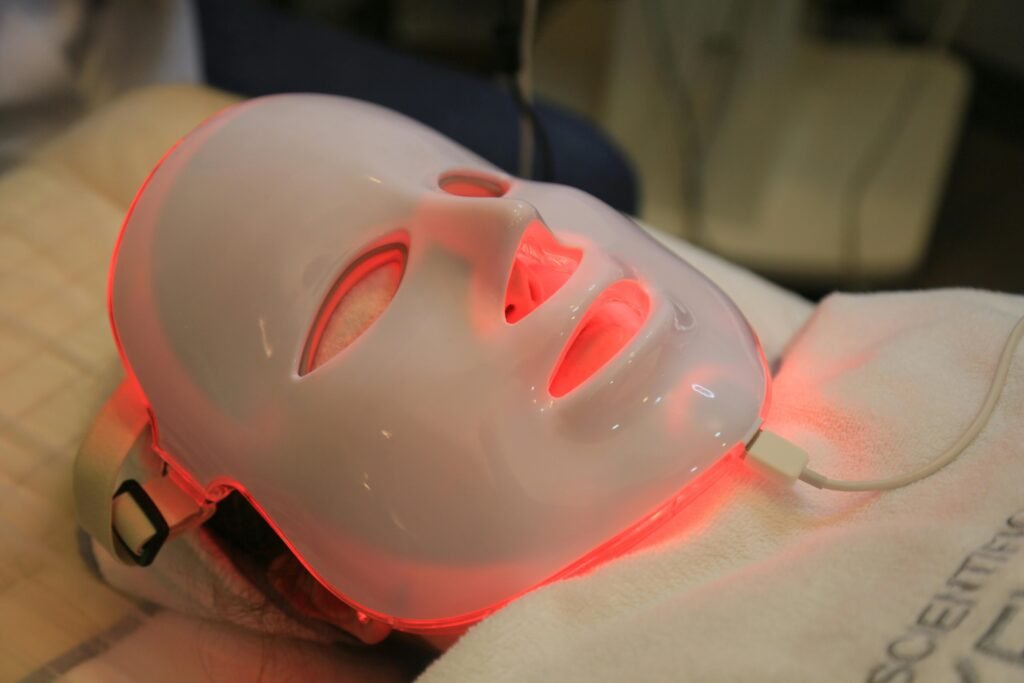
- Advanced sleep optimization using everything from temperature control to light therapy
- Stress management through HRV monitoring (heart rate variability)
Companies like Nutrigenomix and DNAfit aren’t just selling tests – they’re offering a genetic roadmap to optimal health.
The beauty of biohacking? It’s completely personalized. What works for your fitness influencer might be terrible for you, and that’s perfectly fine. Your data tells your unique story.
5. Experience-Based Wellness: Digital Detox Meets Real Connection
Plot twist: in our hyper-digital world, the hottest wellness trend is going… analog. Demand for in-person services – boutique fitness, wellness retreats, IV treatments – continues rising as consumers prioritize experiences.
The numbers from McKinsey research are telling the story:
- 30% net purchase intent for boutique fitness and wellness retreats
- 56% of US wellness travelers will drive 2+ hours for retreats
- Nearly 60% of 2024 wellness travelers plan to do it again this year
But here’s what makes 2025 different: people want skills they can take home. Wellness retreats are becoming educational experiences. Think menopause-focused retreats that teach hormonal health, or meditation intensives that give you techniques for daily life.
Travel companies, take note: partner with wellness experts to offer “edutainment” – educational content that’s actually engaging, not just relaxing.
6. Mental Health: The Wellness Priority Gen Z Can’t Ignore
Let’s get real about mental health in 2025. McKinsey data shows 42% of Gen Z and millennials in the US say mindfulness is a “very high priority” compared to just 29% of baby boomers.
The mental health crisis among young people is well-documented. Deloitte’s 2025 Gen Z and Millennial Survey reveals significant disparities in mental well-being, with only 67% of Gen Zs and 72% of millennials with positive mental well-being feeling their job allows meaningful contribution to society, compared to just 44% of Gen Zs and 46% of millennials reporting poor mental well-being.
Young people are dealing with climate anxiety, economic stress, social media overload, and burnout – but they’re not just suffering in silence. They’re actively seeking solutions, and they’re thinking outside the traditional therapy box.
Gen Z’s mental health toolkit includes:
- Skincare routines as self-care rituals
- Sleep optimization for mental clarity
- Fitness as therapy (hello, hot girl walks!)
- Social connection as intentional wellness practice
The challenge for digital mental health apps? Everyone’s trying to add mindfulness features, creating fierce competition. The winners will be platforms with clear value propositions and programming targeted to specific needs, not generic “wellness for everyone” approaches.

The Personalization Revolution: Why One Size Fits None
What ties all these wellness trends together? Personalization. Artificial intelligence is transforming wellness by delivering personalized, real-time insights that help people take control of their health. The personalized nutrition market was worth $8.2 billion globally in 2020 and continues expanding rapidly.
We’re moving from generic advice to precision wellness:
- Your workout plan is based on your recovery data
- Your nutrition is tailored to your microbiome
- Your supplements are chosen by your genetic profile
- Your stress management is guided by your HRV patterns
Key Wellness Technology Players to Watch
| Technology | Leading Brands | What They Do |
|---|---|---|
| Sleep Optimization | Oura Ring, WHOOP Strap 4.0 | Track sleep quality, recovery, readiness |
| Personalized Nutrition | InsideTracker, Nutrigenomix | Blood biomarker and DNA-based recommendations |
| Mental Wellness | Calm App, specialized platforms | Meditation, stress management, digital therapy |
| Recovery Technology | Theragun PRO, Hypervolt | Muscle recovery, pain relief, mobility |
The Bottom Line: Wellness Gets Personal
The wellness trends of 2025 aren’t about following someone else’s blueprint – they’re about creating your own. According to comprehensive wellness market research, we’re seeing unprecedented growth in personalized, data-driven approaches to health optimization. By tapping into biohacking, wearable tech, personalized wellness, mindfulness, and regenerative therapies, you can feel more energized, focused, and take proactive control of your health.
The future of wellness is hyper-personalized, scientifically-backed, and surprisingly accessible. You don’t need to spend thousands on the latest gadgets or retreat to a mountaintop. Start small, stay curious, and let the data guide you toward what makes you feel your absolute best.
What wellness trend are you most excited to try? The revolution is happening now – and your healthiest self is waiting.
Want to stay ahead of the wellness curve? The trends of 2025 are just the beginning. As technology advances and our understanding of personalized health deepens, the possibilities for optimizing our wellbeing are endless. With the global wellness economy projected to hit $8.5 trillion by 2027, there’s never been a better time to invest in your health. Start your journey today – your future self will thank you.
Sources and Research:
- McKinsey: The $2 trillion global wellness market gets a millennial and Gen Z glow-up
- Straits Research: Functional Food Market Size Report
- Virtue Market Research: Functional Food and Nutraceuticals Market
- Grand View Research: Biohacking Market Analysis
- Precedence Research: Biohacking Market Size to Hit $178.19 Billion by 2034
- Fortune: Americans spend an average of $5,300 a year on wellness
- Deloitte: Global Gen Z and Millennial Survey 2025
- Statista: Beauty & Personal Care Market Forecast
- McKinsey: The beauty market in 2023